
Three years ago, talking about menstruation in many of the communities Kenya Works serves was taboo. Today, it is a community-wide conversation — and that shift didn’t happen by accident.
From Pads to Power
The Makini Pad program started with a simple, practical observation: girls in Kenya were missing 4 to 5 school days per month because they couldn’t afford menstrual products or didn’t have access to safe, private toilet facilities. Over a full school year, that adds up to weeks of lost education.
The solution was equally practical: provide reusable, washable menstrual pads — “Makini” means excellence in Swahili — along with education about how to use and maintain them.
In 2025, 33,000 girls and young women received Makini Pads. But the number only tells part of the story.
The Community Shift
What Kenya Works has seen over three years of the Makini Pad program is something beyond the individual impact of the pad itself. Teachers are now talking openly about menstrual health in classrooms. Parents are asking for more information. Community leaders who once avoided the topic are now championing it.
“When we started, I had mothers pulling their daughters out of our training sessions,” recalls one Kenya Works program officer. “Now we have mothers asking us to train them too.”
Partnership with Future4Binti
This year, Kenya Works joined Future4Binti — a coalition of organizations working collectively on menstrual health and hygiene across Kenya. The partnership expands our reach, shares best practices, and amplifies the community-led model that has driven Makini Pad’s success.
How You Can Help
A $25 donation provides a Makini Pad kit for one girl for a full year. Donate today and help keep girls in school.
More Stories
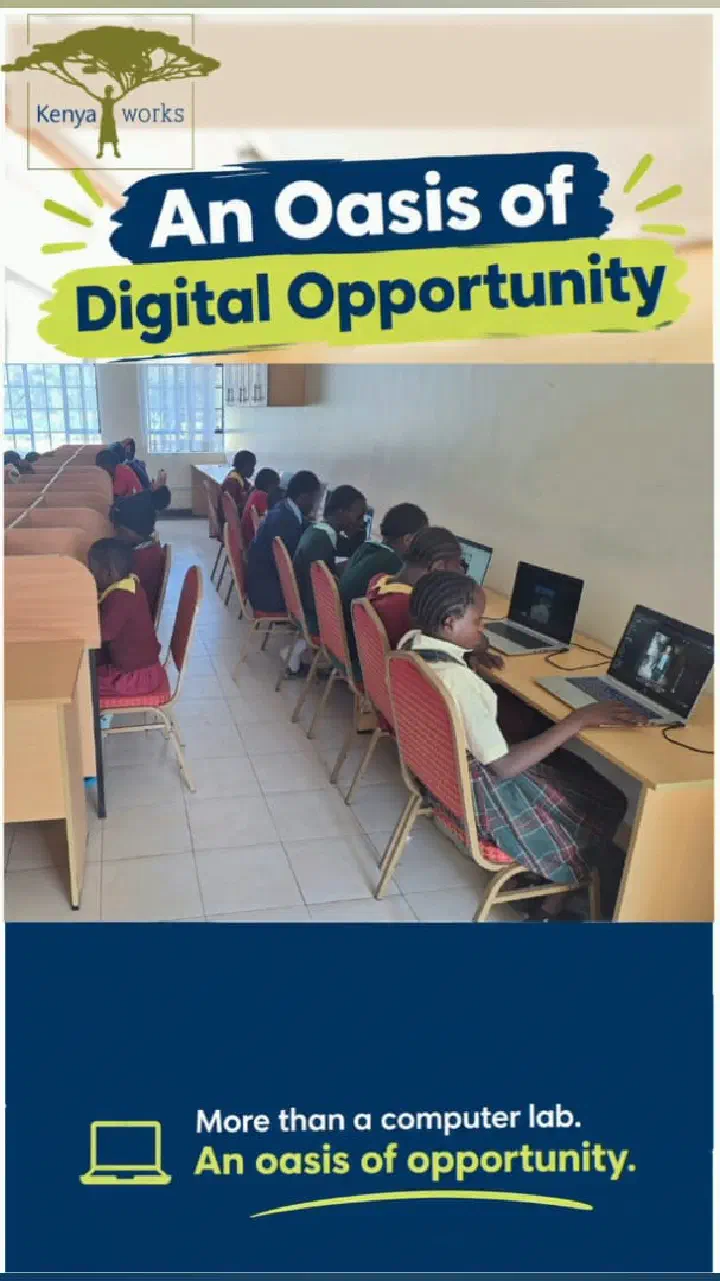
An Oasis of Digital Opportunity
How the Kenya Works computer lab opens doors for children, scholars, and community members.

What Education Makes Possible
Read the August 2026 Sponsorship News from Kenya Works and VICODEC.
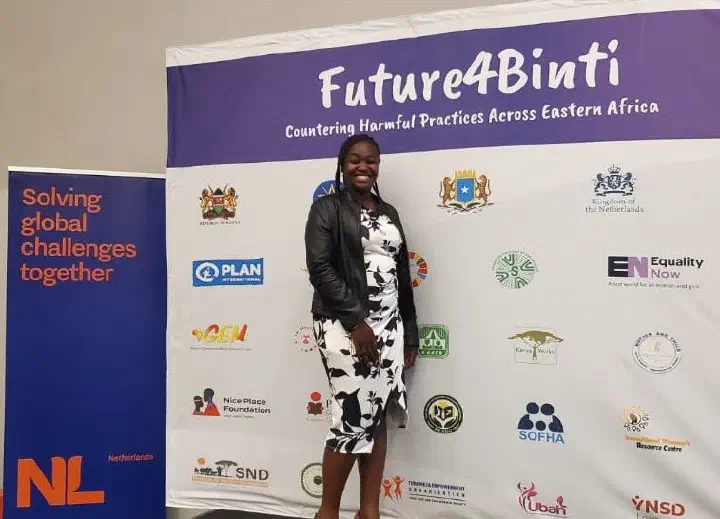
Good News from Kenya Works: Real Stories. Real Change.
Kenya Works has unveiled the inaugural edition of the Future4Binti newsletter, showcasing collaborative efforts to …